This guide explains how private label apparel manufacturing works in practice. It covers:
- how private label differs from white label, OEM and ODM production;
- what to expect from minimum order quantities and sample approval;
- how branding is applied.
A dedicated section covers private label motorcycle gear, where fit, protection and market documentation add requirements that ordinary fashion production doesn’t have. The guide also notes where buyers in North America, Europe, the Middle East, Asia and Australia need to plan differently.
What Is Private Label Clothing Manufacturing?
Private label clothing manufacturing is an arrangement in which a manufacturer produces garments that a private label clothing brand sells under its own name. The brand owns the identity, the customer relationship and the commercial decisions. The manufacturer handles the technical work: patterns, materials, sampling, production, quality control and packing.
Private label apparel covers a wide spectrum. At one end is simple custom label clothing, where an existing garment receives the brand’s labels and packaging. At the other end are fully developed products built from the brand’s own patterns. Because the term covers so much, it helps to know the related production models.
Private Label vs White Label vs OEM vs ODM
These terms answer different questions. OEM means the brand supplies the design. ODM means the manufacturer supplies it. White label means a stock product sold to many buyers. Private label describes whose brand is on the product, so it can sit on OEM or ODM production. Ownership of designs, patterns and tooling differs between them, so agree it in writing. Our guide to OEM vs ODM vs private label explains each model and which suits your brand.
Where Rebranded Apparel Fits
Rebranded apparel usually means finished stock garments that receive new labels, hangtags or prints after production. It is the quickest route to market, but the product isn’t exclusive: competitors may sell the same garment under another name. Private label and OEM production build the brand into the product from the start, with labels applied during construction rather than added afterward.
How Private Label Apparel Manufacturing Works, Step by Step
The factory-floor stages are covered in our look at how motorcycle gear moves from concept to production. This section focuses on the decisions the brand makes along the way.
1. Define the Range and the Market
Decide which products to launch, who they are for and where they will be sold. The destination market shapes sizing, labeling and documentation. For example, a range for the US and Canada may need different size labels and label languages than one for the EU, the UK, the Gulf states or Australia. A focused first range of two or three strong products is usually easier to manage than a broad collection.
2. Prepare a Tech Pack or Reference Sample
A tech pack sets out measurements, materials, construction, colors, trims, labels and artwork placement. If you don’t have one, a reference sample or detailed sketches can be developed into production-ready specifications. The more detail you provide, the fewer surprises appear later.
3. Choose Materials and Agree Costing
Material choices drive cost, comfort, durability and lead time. Ask for material options with costings side by side, and confirm which components are standard and which are sourced specially. Material expertise and integration at this stage helps match fabrics, linings and trims to the product’s purpose and price point.
4. Sampling and Sample Approval
Sample approval is the most important checkpoint in the process. Review a physical sample, not photos, and check:
- measurements against the spec, across more than one size;
- fabric, color and hand feel;
- stitching, seams and finishing;
- label, print and embroidery placement;
- fit when the garment is actually worn in use.
Expect more than one round of revisions. Once the sample is right, approve a sealed sample. It becomes the reference for bulk production. Prototyping and design consultation covers this development stage.
5. Bulk Production and Quality Control
After approval, production follows the sealed sample. Agree how inspections will work, including inline checks during sewing and a final inspection against an agreed sampling level before packing. Bulk production and global distribution and quality assurance and testing explain how these stages are handled.
6. Packaging, Shipping and Reorders
Confirm packaging, barcodes, carton labeling and the Incoterm. The Incoterm defines where responsibility for freight, insurance and customs passes from seller to buyer. For reorders, ask whether graded patterns and approved specifications are kept on file, so repeat orders match the first.
Minimum Order Quantity (MOQ): What to Expect
The minimum order quantity (MOQ) is the smallest order a manufacturer will accept for a product. It exists because cutting, setup and material purchasing carry fixed costs.
MOQs vary by category and by how much customization is involved. Simple accessories usually run at lower minimums than complex, multi-layer garments. Always ask how the MOQ is counted, because the difference is significant:
- per style, with colors and sizes split freely;
- per style and colorway;
- per size, which is less common.
To work within MOQs:
- launch fewer colorways;
- use a realistic size ratio for your market;
- reuse fabrics and trims across styles where possible.
Custom-dyed fabric or exclusive trims may carry their own minimums, separate from the garment MOQ.
Branding Your Private Label Clothing
Branding is where private label apparel becomes recognizably yours.
Labels, Tags and Trims
Labeling Options
Woven Labels and Hangtags
Woven labels and hangtags are the foundation of most private label programs. Woven neck or side labels carry the brand name. Hangtags carry pricing, product information and barcodes for retail.
Care, Content and Origin Labels by Market
Requirements for fiber content, care instructions, size and country-of-origin labeling differ between markets, and some markets require labels in more than one language. Confirm the rules for each destination before artwork is finalized, because changing labels after production is costly.
Patches, Badges and Branded Hardware
Several options add identity beyond the label:
- rubber or PVC patches;
- embroidered badges;
- embossed or debossed leather badges;
- branded zip pulls or snaps.
Decoration Methods
Embroidery, screen printing, sublimation and DTF printing each suit different fabrics, artwork and quantities. Test the chosen method on the actual fabric during sampling.
Packaging
Plan polybags, folded presentation, retail-ready boxes and carton marking with the product, not at the end. Retailers and marketplaces often have their own packing and barcode requirements.
Planning Private Label Production for Different Markets
Buyers selling into several regions need to plan a few things market by market.
Seasons and Climate
Seasons are reversed between the Northern and Southern Hemispheres. A winter range for North America and Europe has to be planned around different dates than one for Australia and New Zealand. Climate shapes the range too:
- Lighter, more breathable products sell for longer in the Middle East, much of Asia and the southern US.
- Insulated and wind-resistant products matter more in Canada, Northern Europe and the UK.
Sizing and Fit Expectations
Size conventions and preferred fits vary between markets, so a single size chart rarely suits every region. Agree on the size range, grading and size labels for each market. Where you sell in both North America and metric markets, include measurements in inches and centimeters.
Shipping Time and Order Timing
Freight time differs by destination and shipping method. Work backward from your selling season, and allow time for sampling, bulk production, transit and customs clearance before stock needs to be on shelves.
Private Label Motorcycle Gear: What’s Different
Private label motorcycle gear follows the same process, with additional technical requirements.
Fit in the Riding Position
Jackets, pants and gloves must fit when the rider is seated and reaching for the bars, not just when standing. Check sleeves, back length and knee articulation on a rider during sampling.
Armor Pockets vs Certified Protection
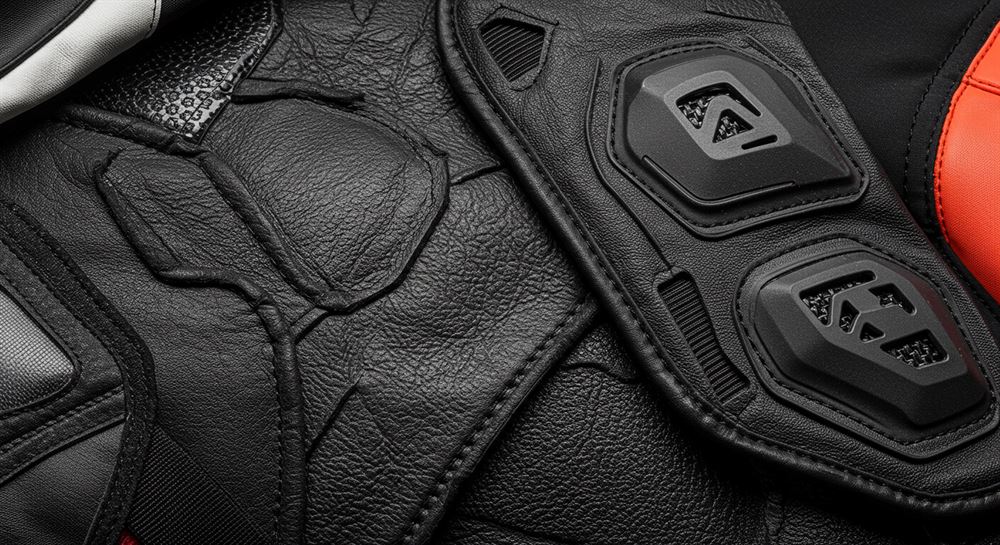
Armor pockets and certified armor are different things. A garment can have pockets ready for armor without containing certified protectors. Grading also has to keep armor positions correct across every size.
Certification and Documentation by Market
Requirements depend on where the gear is sold:
- EU and UK: Motorcycle clothing marketed as protective is treated as personal protective equipment, so protective claims require the matching certification and documentation.
- US: Motorcycle clothing isn’t regulated in the same way, though advertising claims still need to be accurate.
- All markets: Confirm what each destination market, retailer or racing series requires, and which test reports your manufacturer can provide for the specific product.
Careful product claims matter too, as explained in our article on whether kidney belts work.
A Practical Starting Range
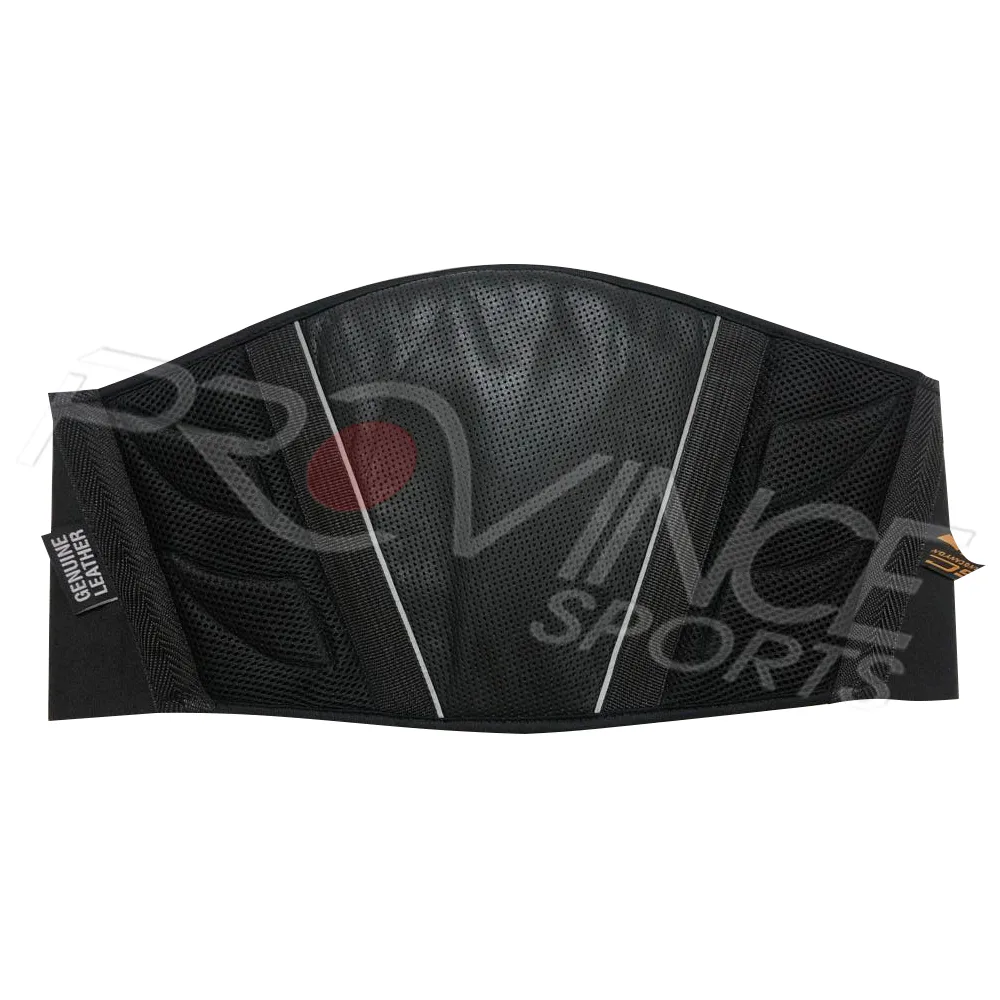
Many motorcycle gear brands start with accessories before moving into jackets and pants. Wholesale motorcycle kidney belts and motorcycle gloves are common entry points. The wider protective gear range follows once sell-through is proven. Dealers and clubs often add casual and soft goods, such as hoodies and t-shirts, as branded merchandise.
How to Choose Private Label Clothing Manufacturers and Suppliers
Not every supplier is a manufacturer. Private label clothing suppliers include trading companies and agents who place orders with factories, which adds a layer between you and production. Working factory-direct usually gives clearer communication and more control over changes.
When comparing private label clothing manufacturers, ask:
- Do you specialize in my product category?
- How does sampling work, and how many revisions are included?
- How is the MOQ counted for my products?
- Who will be my contact, and how quickly do you respond?
- Which test reports or certificates can you provide for my markets?
- How do you control color and material consistency between batches?
- Do you keep patterns and specifications on file for reorders?
- Can you consolidate several product categories into one shipment?
Agree in writing who owns the designs, patterns and artwork, especially for OEM development.
Common Mistakes to Avoid
- Choosing on price alone. The cheapest quote often hides weaker materials or less inspection.
- Approving from photos. Always approve a physical sample.
- Launching too many styles. A small, well-made range is easier to fund and fix.
- Leaving labels to the end. Market-specific labeling affects artwork and lead time.
- Unclear specifications. Anything not written down is open to interpretation.
Working With Province Sports
Province Sports is a factory-direct manufacturer in Sialkot, Pakistan. It produces motorcycle protective gear, kidney belts, riding accessories and casual soft goods for trade buyers. It offers:
- OEM, ODM, private label and white label production;
- custom patterns and graded sizes;
- labels, trims and packaging;
- sample sets for approval before bulk orders;
- graded patterns held on file, so repeat orders match the original;
- mixed-category orders consolidated into one shipment for trade buyers.
Learn about Province Sports, including its manufacturing history.
To start a private label project, request a quote. Include your product category, target market, estimated quantities and any tech pack or reference sample.
Frequently Asked Questions
Do I need a tech pack to start a private label clothing brand?+
No. A tech pack speeds things up, but a reference sample, sketches or a detailed brief can be developed into specifications. Expect more sampling rounds if you start without one.
What is the difference between private label clothing and custom label clothing?+
They overlap. “Custom label clothing” usually refers to adding your own labels and branding to a garment. Private label clothing can also include changes to design, fit and materials.
Who owns the patterns in private label manufacturing?+
It depends on the agreement. Patterns developed from your designs are often treated as yours, but put ownership of designs, patterns and artwork in writing before development starts.
Can I combine apparel and motorcycle gear in one order?+
Often, yes, if the manufacturer produces both. Each product still has its own MOQ, but mixed-category orders can usually ship together.
How long does private label clothing manufacturing take?+
It depends on product complexity, sampling rounds, material sourcing and order size. Ask for sampling and bulk timelines separately and in writing, and allow extra time for your first order.
Conclusion
Private label clothing manufacturing lets a brand build its own product line without owning a factory. The results depend on decisions made before production starts:
- choosing the right production model;
- writing a clear specification;
- approving a physical sample;
- planning labels, sizing and timing for each market.
Motorcycle gear adds three more requirements: fit in the riding position, the difference between armor pockets and certified protection, and market-specific documentation.
You might be launching hoodies for a dealer network or a kidney belt and glove range for riders in North America, Europe, the Middle East, Asia or Australia. Either way, a private label clothing brand gets the strongest start with two things: a focused first range, and a manufacturer that puts every agreed detail in writing.