Behind the scenes: motorcycle gear from concept to production
A tech pack is just a set of instructions until it's been through the pattern room, the cutting floor and a stitching line. Here's what actually happens to it in between — the same route every order takes, whether it's a 200-unit trial run or a repeat container order.
The pattern room
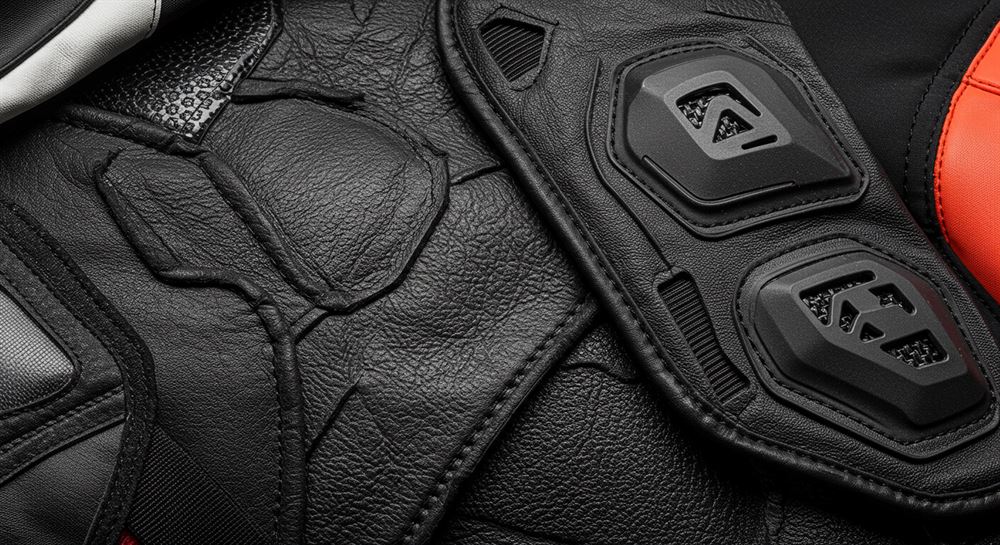
Every order starts here, whether it arrives as a full tech pack, a rough sketch, or a reference sample to reverse-engineer. The pattern is drafted, then graded across your full size run so a size L isn't just a scaled-up M — grading has to account for where armour pockets, vents and closures sit differently across sizes. A first pattern is cut in the actual shell material (not a cheaper mock-up) so the fit sample reflects exactly how the finished unit will drape and move.
The cutting floor
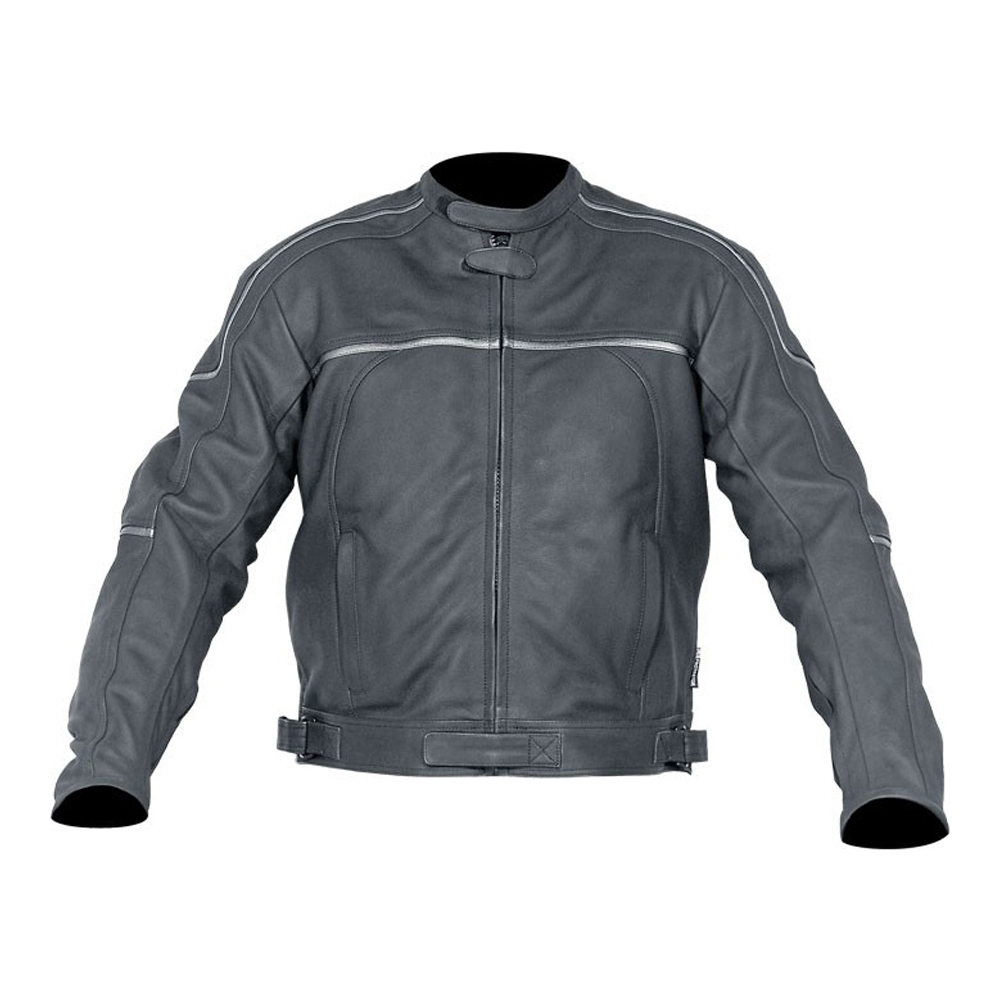
Leather is inspected hide by hide before it's laid — natural material has visible flaws that have to be worked around, which is one reason automated cutting alone can't be trusted for it. Panels are marked and cut in batches matched to a specific production run, then bundled by size and component so the stitching line receives a complete, matched kit rather than loose pieces to sort on the fly.
The stitching lines
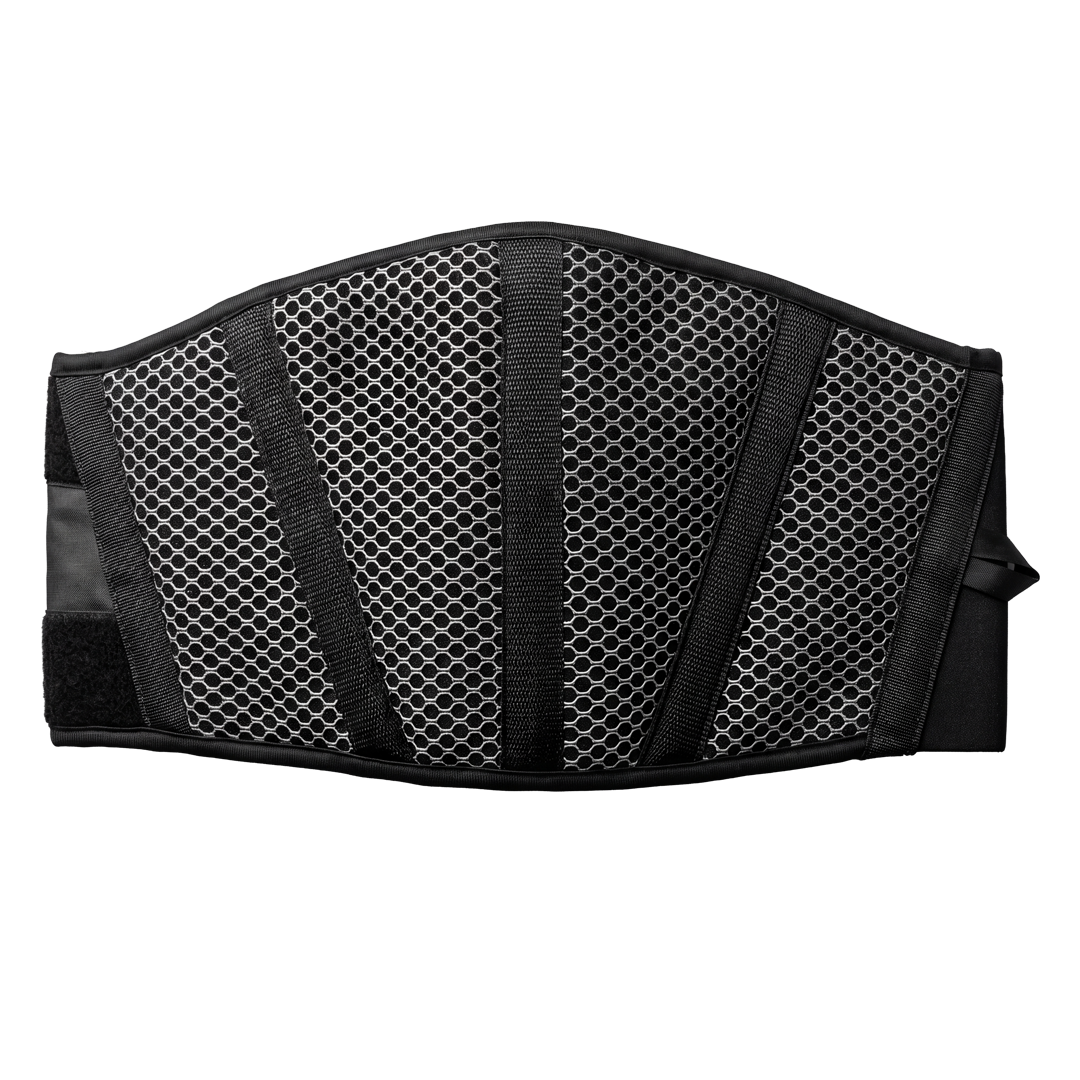
Operators are assigned by category, not rotated across whatever's next in queue — the team that builds kidney belts every day builds kidney belts, and the team that builds jackets builds jackets. Your labelling, hangtags and barcodes are applied in line during construction, not added afterward as a separate step, which is what keeps a private-label order looking like a finished retail product rather than a rebadged generic.
Inspection and packing
Checkpoints at cutting and stitching catch a defect while it's still one unit's problem, not a whole batch's. Final inspection runs to an agreed AQL before anything is packed, and where a destination market requires it, third-party abrasion, tear or seam testing is arranged and documented before the shipment leaves the floor.
Nothing moves to bulk production before you've approved a sealed sample from this exact process — so what ships is what you signed off on, not a best-effort interpretation of it.