- Waterproof, water-resistant and water-repellent describe different levels of protection, but no single universal definition sits behind the labels.
- A rating number describes a fabric. Riders also get wet through seams, zips and openings, so judge the whole garment.
- A water-repellent finish makes water bead on the surface. It wears off and is not a substitute for a waterproof layer.
- Rainproof and weatherproof are marketing words. Ask the same questions of them.
Waterproof vs Water-Resistant: The Short Answer
In everyday use, waterproof means a product is designed to keep water out, even in sustained rain. Water-resistant means it can handle some water, such as light rain or a short shower, but will let water through if the exposure is heavy or long. The difference between waterproof and water resistant is one of degree, not a clean line, and brands apply the words in different ways.
On a motorcycle the gap widens. Speed drives rain against you, sitting presses fabric onto a wet seat, and every movement works on every seam.
Quick Comparison of the Terms
| Term | What it usually means | What to check |
|---|---|---|
| Waterproof | Built to keep water out in sustained rain | Whether seams, zips and openings are sealed, not only the fabric |
| Water-resistant | Handles light rain or brief exposure | How long it holds up, and whether the seams are taped |
| Water-repellent | A surface finish that makes water bead and roll off | Whether a waterproof layer sits underneath |
| Rainproof | A marketing term, not a defined standard | The same questions you would ask of a waterproof claim |
| Weatherproof | A marketing term that may also imply wind or cold protection | What it actually claims and how it was tested |
These are common usages, not official definitions.
What Does Water-Resistant Mean?
If you have asked what does water resistant mean on a jacket tag, here is the short version: the gear slows water down. The fabric may be tightly woven, coated or treated so that light rain beads up and runs off. In practice, what water-resistant means is protection that fades with time and pressure. A brief shower is manageable. Steady rain, truck spray and hours in the saddle are a tougher test.
When Water-Resistant Can Be Enough
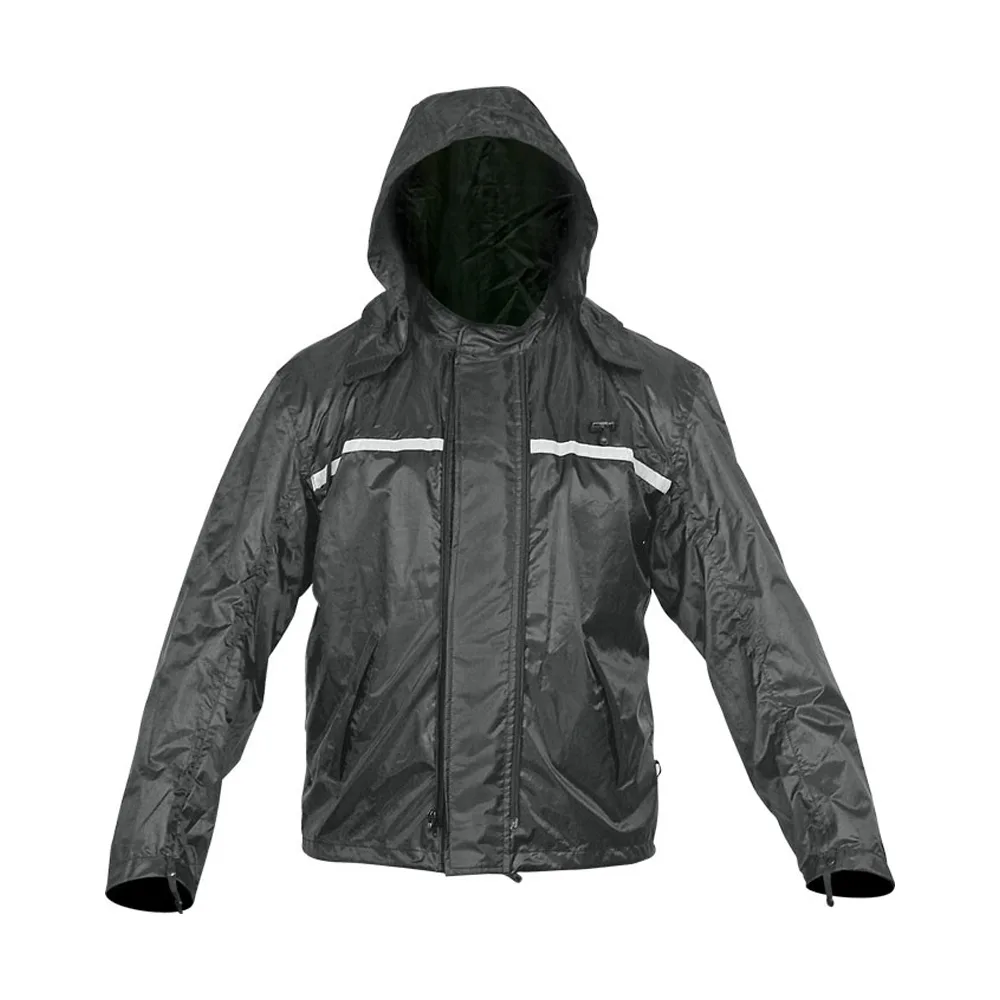
When you compare a water resistant vs waterproof jacket for riding, water-resistant can be a sensible choice for short rides, light drizzle, or a jacket you plan to back up with proper over-gear when the weather turns. Treat it as a first line of defense, not a promise. If rain is likely, a water-resistant jacket needs a backup layer, and our motorcycle rain gear guide explains how over-gear works with it.
What Does Waterproof Mean for Riding Gear?
A waterproof garment is more than waterproof fabric. Water takes the easiest route, so it enters through seams, zips, cuffs and collars long before it works through the cloth itself. That is why the waterproof meaning that matters to a rider is about the whole garment.
A System, Not a Fabric
Three things decide whether a jacket or pair of pants stays dry.
The Fabric Layers
Waterproof gear typically uses one of three approaches: a coated outer fabric, a laminated membrane bonded to the fabric, or a separate liner that sits inside the shell. Each can work. They differ in how they feel, how they handle heat, and how they behave when the outer fabric gets saturated. For more on membranes and layering in the cold, see our winter motorcycle gear guide.
Seam Taping
Every stitched seam leaves needle holes. Seam taping seals them with waterproof tape applied over the stitching. Ask whether all seams are taped or only some, since an untaped seam in a high-wear area is a common leak point.
Zips and Closures
Sealed zips, storm flaps and adjustable cuffs matter as much as the fabric. A flap over the front zip adds a second barrier, and cuffs that close firmly stop water running in at the wrist.
How to Read a Hydrostatic Head Rating
On a tag or product page you will often see a number followed by "mm." That is a hydrostatic head rating. It describes how much water pressure a fabric can hold back before water starts to come through, measured as a height of water in millimeters. A higher number means the fabric resisted more pressure in the test. Some brands list a water resistance rating instead. Ask what it measures and how it was tested.
The number is useful but limited. It does not tell you several things:
- The finished garment. A rating describes fabric. Seams, zips and closures are separate.
- Comparability. Test methods and conditions differ, so numbers from different brands are not always comparable.
- Aging. It does not show how the fabric performs after wear, abrasion or washing.
- Riding conditions. It does not say how the garment copes with speed, wind and the pressure of sitting on a wet seat.
Sources also disagree about what rating counts as enough for riding, so any single cutoff would be a guess. A better approach is to ask what was tested, how it was tested, and whether the finished garment was tested too.
Water-Repellent Finishes: What Durable Water Repellent Does
Durable water repellent, or DWR, is a coating on the outer fabric that makes water bead up and roll off. It is why rain beads on a new jacket. It is not what makes a jacket waterproof. It works alongside the waterproof layer underneath. The water repellent vs waterproof difference is simple: a repellent finish treats the surface, while a waterproof layer is a barrier.
What Happens When the Finish Wears Off
Abrasion, dirt and washing can wear the finish down over time. When that happens, the outer fabric soaks up water, which riders call wetting out. The jacket may still be blocking water, but it feels heavy and cold, and it can feel clammy inside because the outer layer is saturated. Follow the care label for washing and for restoring the finish. Before you decide a wet-feeling jacket has failed, check inside first.
Rainproof and Weatherproof: Marketing Words
Rainproof and weatherproof are not defined standards. Rainproof usually implies waterproof, and weatherproof may add claims about wind or cold. Neither tells you how the product was tested. Ask the same questions you would ask of a waterproof label: whole garment or fabric only, seams taped or not, and what testing sits behind the claim.
Where Waterproof Riding Gear Can Still Let Water In
Even well-made gear can leak where riding stresses it most:
- Collars and flaps at speed. Wind-driven rain can be forced under them.
- The seat area. Seams press against a wet saddle.
- Knees and elbows. Bending stretches seams and fabric.
- Glove and boot cuffs. A gap between layers lets water run in.
- Inside the jacket. Sweat condensation can feel like a leak.
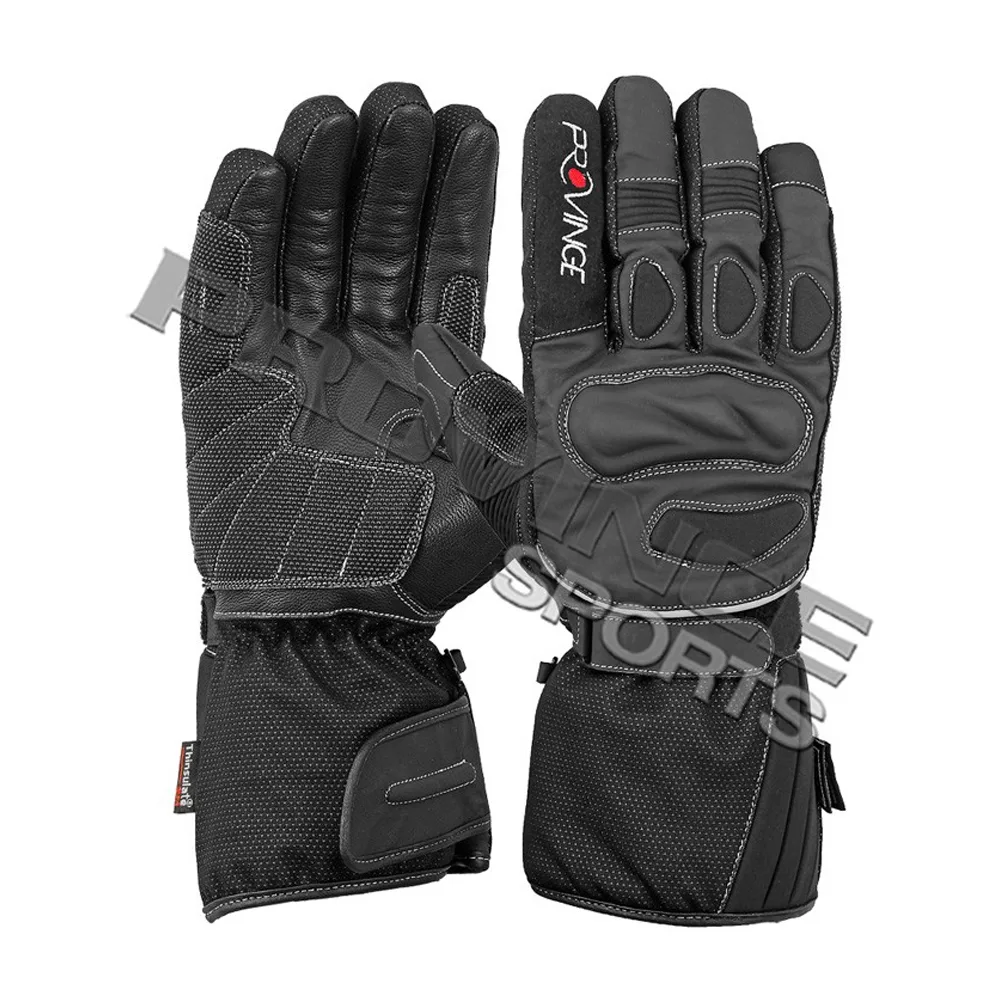
Hands are a special case. Leather can soak through in heavy rain unless it has a waterproof insert, as our hands guide explains.
What Waterproof Claims Mean Around the World
North America
Riders face long wet rides and cold rain. Waterproof gear is often paired with warm layers, and claims vary from brand to brand, so check the whole garment and not just the label.
Europe and the UK
Damp weather can last all day. Waterproof jackets and over-gear are both common, and the labels "waterproof" and "water-resistant" are used widely. Look for test details, not just the word.
Asia and the Middle East
Monsoon downpours arrive in humid heat. A sealed layer can trap sweat, so ventilation matters as much as the water rating. In the Middle East, rain is occasional but can arrive suddenly, so a packable layer is often the practical choice.
Australia
Conditions range from tropical downpours in the north to cool, wet weather in the south, and storms can build fast. Gear needs to cope with sudden heavy rain and with heat.
For Brands, Dealers and Distributors: Specifying and Labeling Water Protection
Shoppers use these words loosely, so the way you label affects trust and returns. When you specify water protection, cover these points:
- The claim by use: light showers, sustained rain or storm riding.
- The whole garment: fabric type, seam taping plan, zips, flaps and closures.
- Evidence: fabric-level and garment-level test results, plus samples tested in a riding position.
- Wording that matches the evidence: use "waterproof" only if the finished garment supports it. Otherwise say "water-resistant" or "water-repellent."
- Care instructions: put them on the label so the finish lasts.
- Destination market: check local advertising rules for water claims before printing hangtags.
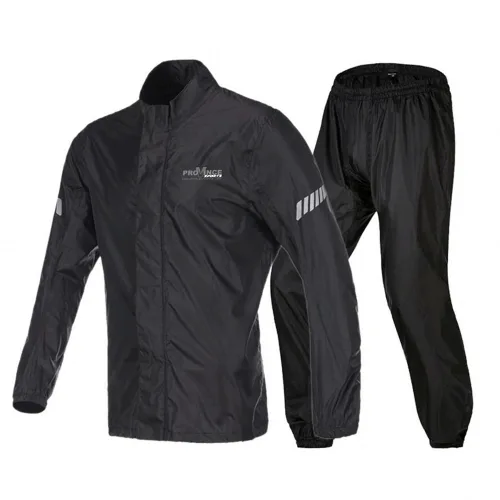
Province Sports can coordinate third-party testing on request. Our prototyping and design consultation team can turn a tech pack, sketch or reference sample into samples you can test, and our rain gear range shows current styles. Ready to specify yours? Request a quote.
Frequently Asked Questions
Is water-resistant good enough for riding in the rain?+
For a short, light shower it can be. For steady rain or a long ride it usually is not, because protection fades under sustained water and pressure. If rain is likely, add a waterproof layer.
Is waterproof the same as rainproof?+
Not in any formal sense. Rainproof is a marketing term. Ask how the garment was built and tested, as you would with any waterproof claim.
What does a hydrostatic head rating tell me?+
It tells you how much water pressure a fabric held back in a test. It does not cover seams, zips or fit, and numbers from different test methods are not always comparable.
Does a water-repellent finish wear off?+
Yes. Abrasion, dirt and washing can wear it down. When it does, the outer fabric can soak up water. Follow the care label to restore it.
Can a waterproof jacket still leave me wet?+
Yes. Water can enter at the collar, cuffs, zip or seat, and sweat can build up inside a sealed layer. Fit and ventilation matter as much as the fabric.
Final Thoughts
Waterproof, water-resistant and water-repellent are not three grades on one official scale. They are labels that brands use in different ways. The useful question is not which word is on the tag but how the whole garment was built and tested: the fabric layers, the seams, the zips and the closures, and whether the finish is a coating or a barrier.
For brands and dealers, honest labeling is good business. Match your wording to your test evidence, and shoppers get the protection they expect. If you are specifying a new range, send your target styles and markets with your quote request.