The science behind motorcycle gear: how quality materials save lives
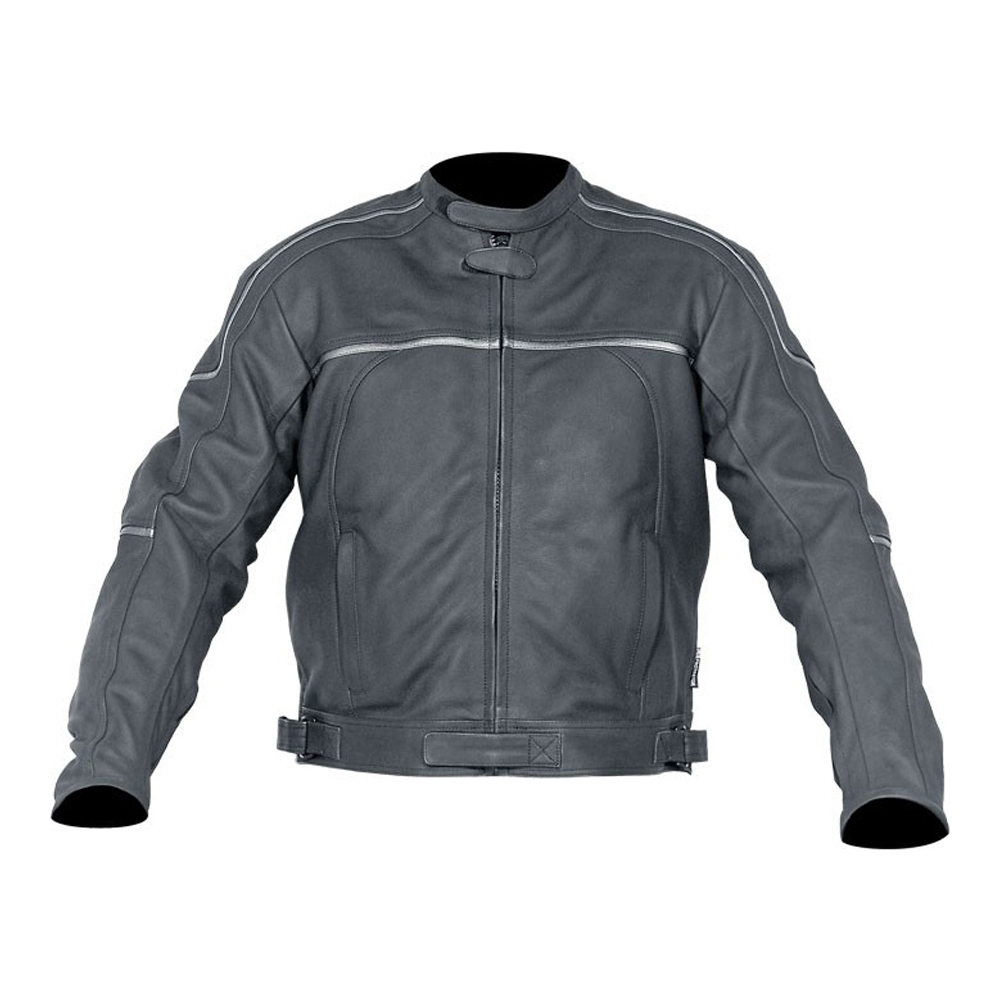
A jacket that looks identical to a certified one on a hanger can behave completely differently on asphalt at 40km/h. The difference is never visible in a product photo — it's in the fibre count of the fabric, the stitch pattern at the seam, and whether the armour is actually where the body needs it to be. Brand names don't slide down the road. Materials and construction do.
Abrasion resistance: leather grade and fabric denier
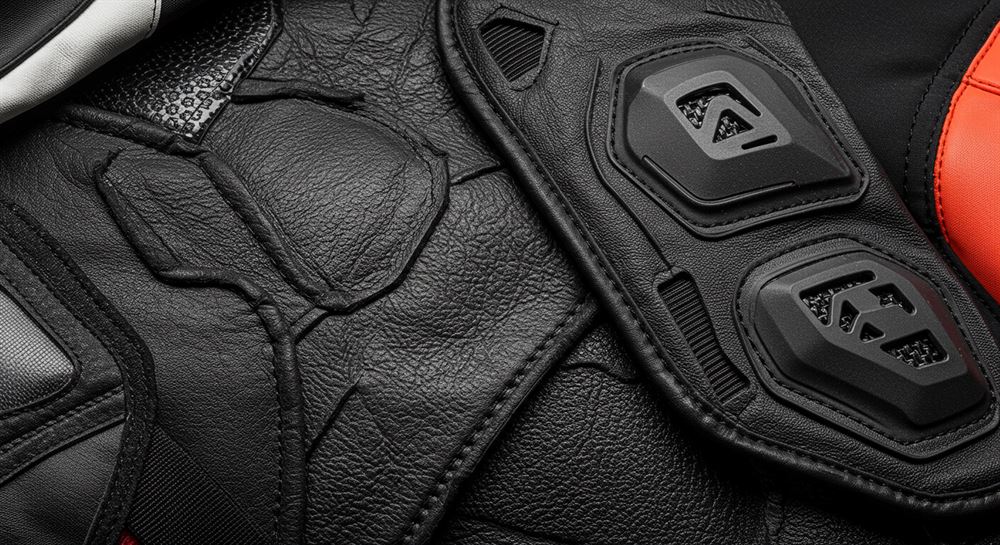
Full-grain cowhide, cut at 1.1-1.3mm, remains the highest sustained-slide protection available for a garment shell — which is why it's still the default for race and touring jackets. Goatskin trades a small amount of abrasion resistance for lighter weight and better break-in, making it a common choice for gloves and casual riding jackets. On the textile side, denier (the fabric's thread thickness) is the number that matters: 600D is workable for a lightweight commuter jacket, but anything expected to handle a genuine slide should be specified at 1000D or above, usually reinforced with Cordura or a ballistic-weave panel at the shoulders, elbows and knees where contact is most likely.
Seam construction: where gear actually fails
In our experience inspecting returned gear, the fabric itself is rarely what fails first — the seam is. A single straight lock-stitch holds fine on a hanger but can open under the sideways load of a slide. Safety-stitched or box-stitched seams, doubled at every stress point (shoulder, underarm, inseam), distribute that load instead of concentrating it on a single thread line. It's a small difference in the pattern room and a significant one on the road, which is why every seam on a Province Group order runs through the same reinforcement spec regardless of order size.
Armour placement: certification is only half the answer
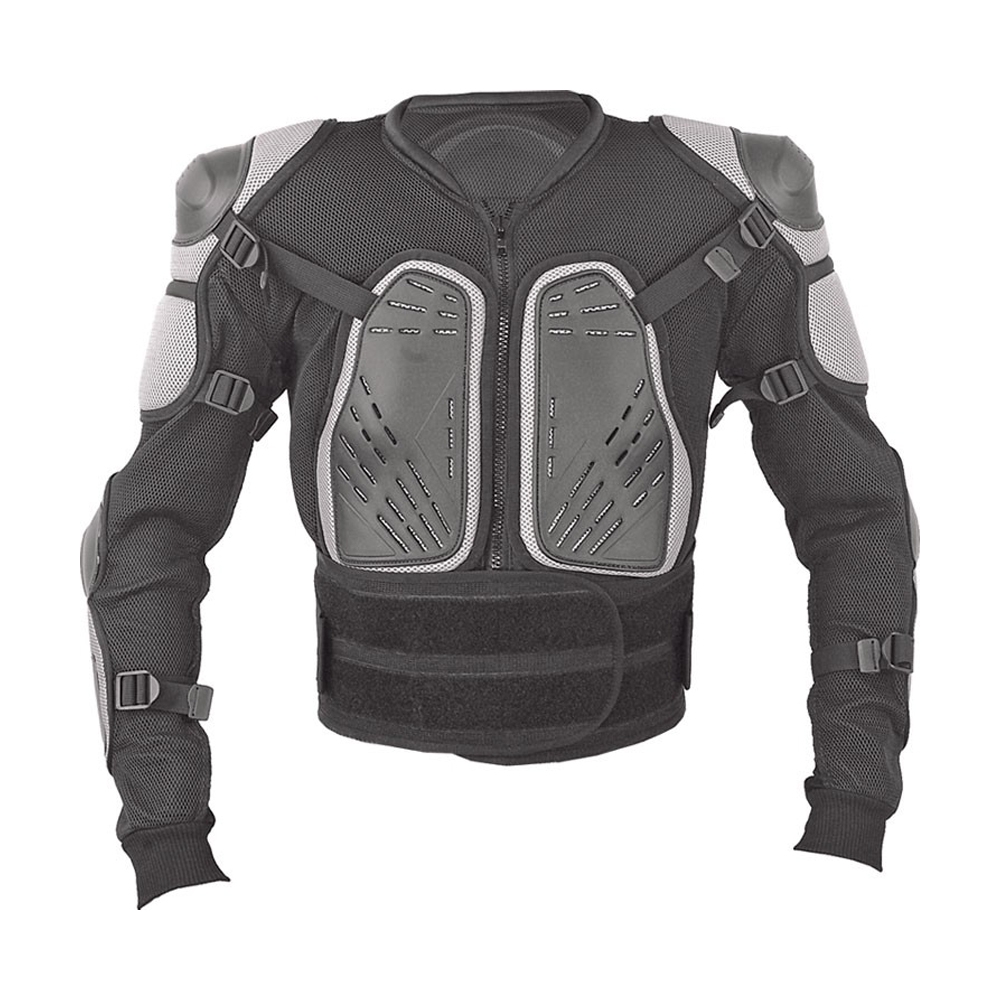
CE Level 1 and Level 2 armour ratings tell you how much force an insert absorbs in a lab test — they say nothing about whether that insert stays over the shoulder, elbow or hip once a rider is actually moving. Armour that migrates during a ride is armour that isn't there on impact. Correct placement means pockets cut to the body's actual pivot points, not a generic template, with retention that holds the insert in place through a full range of movement rather than just when the wearer is standing still.
These three variables — leather grade or denier, seam construction, and armour placement — are exactly what we walk through with every buyer before a spec is locked. If you're comparing quotes and the price gap is large, this is usually where it comes from.