
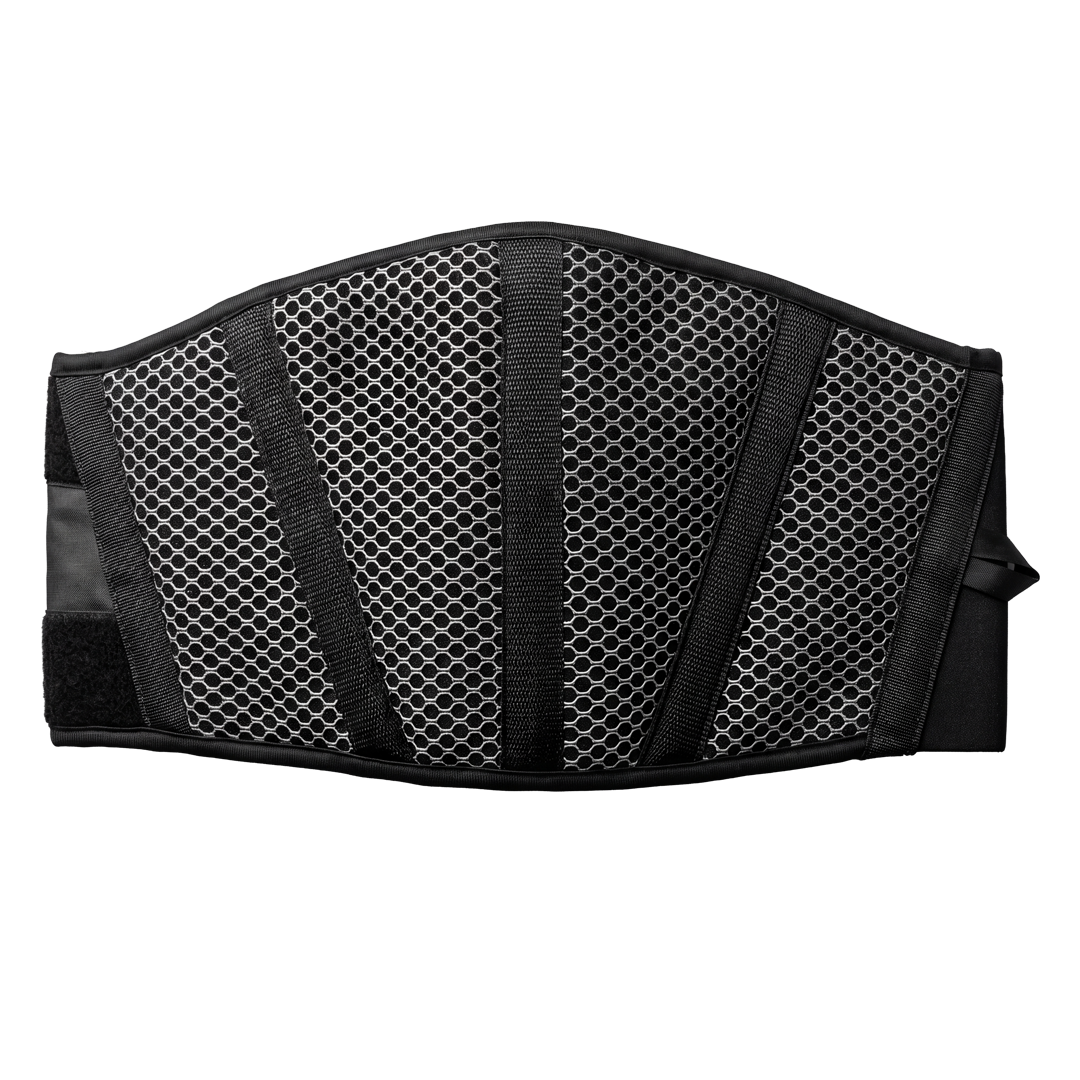
Despite the name, a kidney belt is generally used as a riding support and comfort accessory rather than medical equipment. The right design can help provide a more secure feeling around the lower back, but it should not be treated as a cure for back problems or as a replacement for certified motorcycle protection.
This complete guide explains the motorcycle kidney belt purpose, different types, fitting considerations, materials, riding applications and buying factors so you can choose according to how you actually ride.
- A kidney belt is a support and comfort accessory: compression, warmth and lumbar support.
- Choose by riding style and climate: mesh for heat, windproof for cold, reflective for low light.
- Fit comes first: snug and stable, never restricting breathing or movement.
- It is not certified back protection unless the product is specifically tested for it.
What Is a Motorcycle Kidney Belt?
A motorcycle kidney belt is a wide, adjustable belt designed to wrap around the waist and lower back.
Most designs provide broader coverage across the rear lumbar area and use an adjustable front or side closure. Depending on the product, construction may include mesh, elastic fabric, padding, reflective elements, wind-resistant materials, leather or leather-look panels.
The term “kidney belt” comes from the part of the body covered by the traditional design. Modern motorcycle belts are commonly selected for lumbar support, warmth, compression and riding comfort.
The design is particularly relevant because motorcycle riding can require the body to remain in a relatively fixed position for extended periods. Touring, commuting and off-road riding can place different demands on the rider, so the ideal belt depends on the situation.
What Is the Motorcycle Kidney Belt Purpose?
The primary motorcycle kidney belt purpose is to provide support and compression around the lower torso during riding. Depending on the design, a belt may provide:
- Lumbar support
- Lower-back coverage
- A warmer layer around the waist
- Compression around the midsection
- A more secure feeling while riding
- Additional comfort during extended rides
- A low-profile support layer beneath riding apparel
The experience varies between riders. A design that works well for a long-distance touring rider may not be the best choice for an aggressive off-road rider.
A padded or reinforced kidney belt should not be assumed to provide certified impact protection unless the specific product has been designed and tested for that purpose.
Who Uses a Kidney Belt for Motorcycle Riding?
Different riders use kidney belts for different reasons. The most suitable design depends on riding style, climate, duration and personal comfort.
Motorcycle Touring Riders
A motorcycle touring kidney belt can be useful for riders spending several hours on the road. Long-distance riding often means maintaining a similar seated position for extended periods.
- Comfortable lumbar coverage
- Stable fit
- Breathability
- Adjustable compression
- Low-profile construction
- Comfortable materials
A belt is only one part of overall riding comfort. Motorcycle setup, riding position and regular breaks also matter.
Daily Commuters
A bike kidney belt can suit riders who spend significant time commuting. A lightweight mesh design may be practical in warm weather, while a wind-resistant construction can be more suitable for colder riding.
Convenience is important. A belt that is difficult to adjust or becomes uncomfortable under a jacket may be less practical even if its construction appears highly supportive.
Motocross and Off-Road Riders
Motocross and off-road riding involve more body movement and changing riding positions. A moto kidney belt for these conditions may need a secure fit while still allowing the rider to move naturally between seated and standing positions.
Look for a firm but comfortable fit that stays in place as you stand on the pegs.
Women Riders
Women riders can use the same general selection principles, but body shape and waist-to-hip proportions make adjustment particularly important.
An adjustable design can help accommodate different body shapes without requiring excessive compression.
Types of Motorcycle Kidney Belts
Motorcycle kidney belts are available in different materials and construction styles. Instead of asking which type is universally best, consider which characteristics match your riding environment.
Mesh Motorcycle Kidney Belts
Mesh designs prioritize airflow and lightweight construction. A breathable construction can be particularly useful for riders who spend long periods riding in warmer conditions.
- Warm-weather riding
- Daily commuting
- Active riding
- Riders who dislike bulky layers
 PS-6633Breathable Mesh Motorcycle Kidney BeltView product →
Reflective and High-Visibility Kidney Belts
Reflective kidney belts add visibility-focused details to the product design. Reflective elements should complement, rather than replace, proper motorcycle lighting and high-visibility riding equipment.
- Night riding
- Early-morning commuting
- Urban and delivery riding
- Low-light conditions
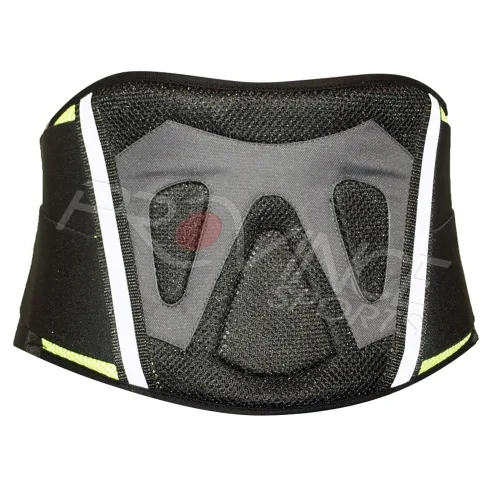 PS-6634Reflective Mesh Motorcycle Kidney BeltView product →
Windproof Kidney Belts
Wind exposure can make lower-back comfort more difficult, particularly during colder rides. A wind-resistant construction can provide an additional layer around the lower back without requiring a heavily insulated garment.
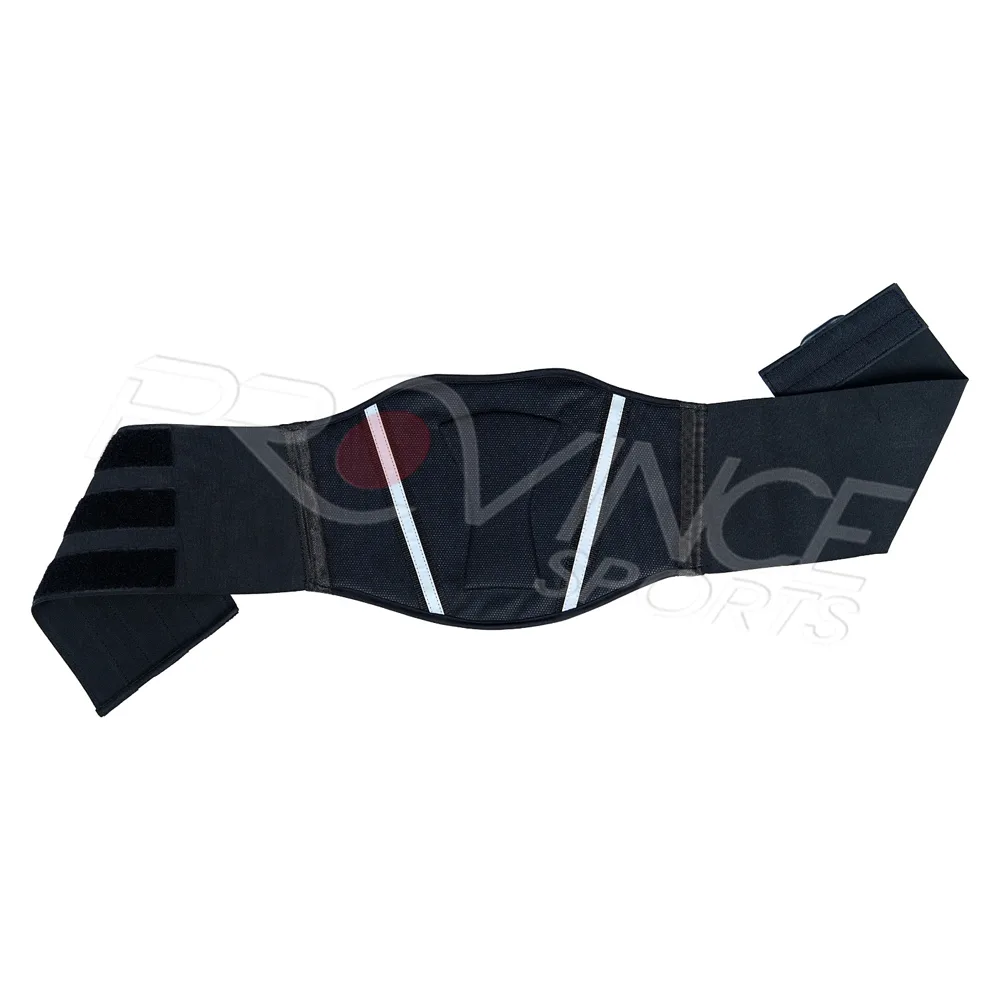 PS-6637Windproof Mesh Lumbar Kidney BeltView product →
Leather and Leather-Look Kidney Belts
Leather and leather-look designs are popular with riders who prefer a traditional motorcycle aesthetic. They can complement cruiser, classic and heritage-inspired riding styles.
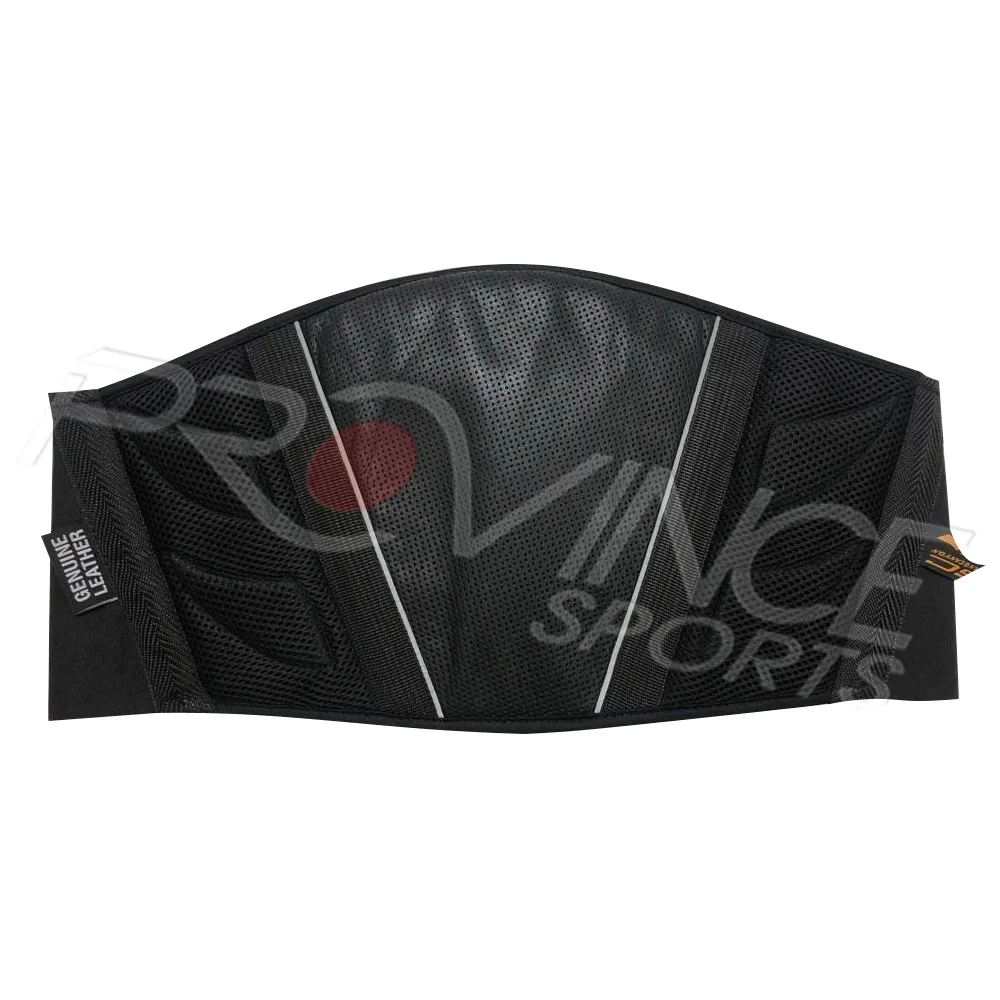 PS-6647Perforated Leather Kidney BeltView product →
Padded Kidney Belts
Padded designs add additional material around the support area and may appeal to riders who prefer a more structured feel or extra cushioning. Padding alone should not be interpreted as certified impact protection; verify specifications and certification first.
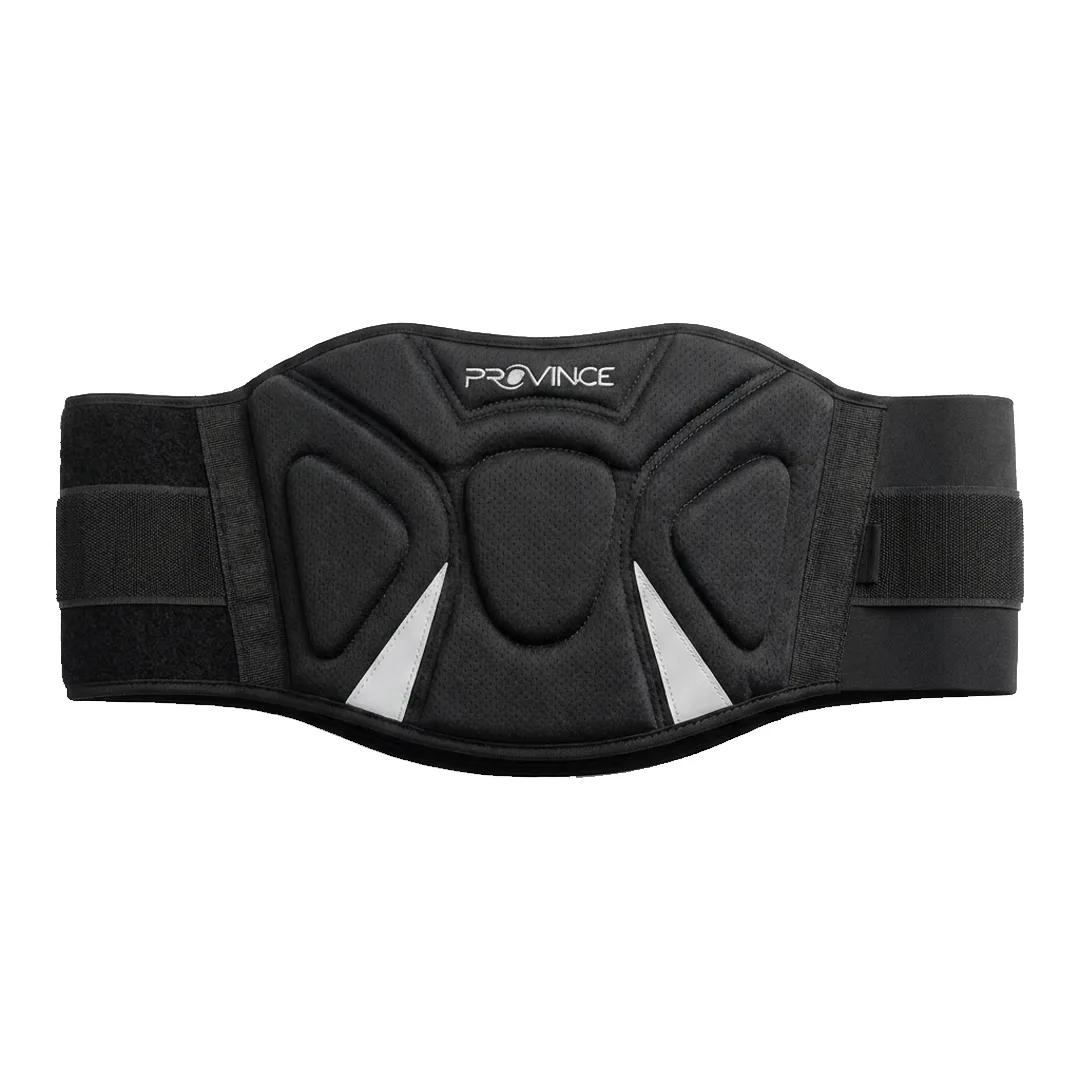 PS-6611Segmented Foam Padded Kidney BeltView product →
Dual-Strap Kidney Belts
Dual-strap designs provide additional adjustment points. They can help riders fine-tune the fit and maintain stability as their riding position changes.
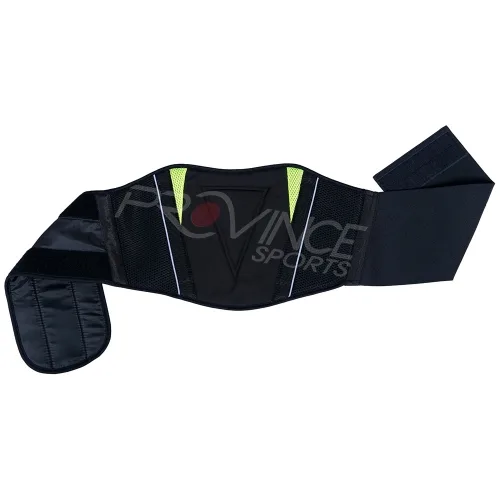 PS-6635Dual Strap Lumbar Support Kidney BeltView product →
How to Choose the Best Kidney Belt for Motorcycle Riding
There is no single best kidney belt for motorcycle use because riders have different body shapes, riding styles, climates and support preferences. Instead, evaluate the following factors.
Fit and Coverage
The belt should sit securely around the lower torso and cover the intended support area. It should not ride excessively high toward the ribs or fall so low that it interferes with the hips. It should stay stable when you sit, lean forward, stand on the pegs, turn your torso and change riding positions.
Adjustability
One of the most important features. A belt that fits correctly while standing but shifts during riding may become distracting. Look for a closure that creates a secure fit without excessive tightening.
Breathability
Heat and sweat can make supportive gear uncomfortable. Mesh and ventilated construction can be particularly useful in warm climates, especially for commuters who spend time in traffic.
Support Level
Consider how much structure you actually need. A lightweight belt may suit everyday commuting, while a more structured design may appeal to riders on rough terrain. More structure is not automatically better.
Profile Under Riding Gear
Many riders wear kidney belts beneath jackets or jerseys. A bulky design can create pressure points or interfere with other equipment, so consider your complete riding setup.
Materials and Construction
Main fabric, elasticity, padding, stitching, closure system, edge finishing, ventilation, reflective details and overall flexibility. These matter especially for retailers and brands building a product range.
Motorcycle Kidney Belt Comparison by Riding Style
| Riding style | Features to consider | Main consideration |
|---|---|---|
| Daily commuting | Lightweight, breathable, adjustable | Everyday comfort |
| Long-distance touring | Breathable, stable, comfortable | Extended wear |
| Motocross | Secure closure, flexible support | Movement |
| Off-road | Stable fit, flexible construction | Active riding |
| Cold-weather riding | Wind-resistant construction | Warmth |
| Night commuting | Reflective details | Visibility |
| Cruiser riding | Low-profile, leather or leather-look | Comfort and style |
This comparison is a starting point rather than a universal ranking. The same rider may prefer different belt designs for different seasons or riding conditions.
How Should a Motorcycle Kidney Belt Fit?
A kidney belt should feel snug and secure without being painfully tight. The rear section should sit over the lower back while the front should allow comfortable breathing and natural movement.
Basic Fitting Process
- Place the belt around the lower torso.
- Position the rear section across the lower back.
- Fasten the main closure.
- Adjust the tension gradually.
- Sit in your normal riding position.
- Lean forward as you would on the motorcycle.
- Check whether the belt rolls, slips or creates pressure points.
- Make small adjustments before riding.
- Restricted breathing
- Excessive abdominal pressure
- Pinching
- Numbness
- Painful pressure points
- Difficulty moving naturally
Do not judge the fit only while standing. Sit on your motorcycle or adopt your normal riding posture before a longer ride. A belt that feels comfortable while standing may behave differently when your torso bends forward.
Motorcycle Kidney Belt vs Back Protector
A motorcycle kidney belt and a certified motorcycle back protector serve different purposes.
Primarily a support and comfort accessory. It may provide compression, warmth and lumbar support.
Protective equipment designed and tested for impact protection under an applicable standard.
Therefore, a standard kidney belt should not automatically be treated as a replacement for certified motorcycle back protection.
What Buyers Should Verify
When a product is marketed as protective equipment, check:
- What protection it is designed to provide
- Whether a relevant certification is stated
- Which product component provides the protection
- Whether the certification applies to the complete product
Do not assume that words such as “padded,” “reinforced” or “spine support” automatically mean certified impact protection.
Common Motorcycle Kidney Belt Buying Mistakes
Choosing only by appearance
A stylish design does not necessarily mean the belt has the right fit or support characteristics.
Buying the wrong size
A loose belt may shift during riding, while an excessively tight belt may become uncomfortable. Always follow the manufacturer’s sizing instructions.
Choosing maximum padding automatically
More padding can mean more bulk and heat. Consider your climate and riding style before selecting a heavily padded product.
Ignoring breathability
A belt may feel comfortable for a few minutes but become uncomfortable during a long ride if airflow is poor.
Expecting the belt to treat back problems
A kidney belt is not a treatment for an underlying medical condition. If you have persistent or worsening back pain, numbness, weakness or another medical concern, seek advice from a qualified healthcare professional.
What Should Motorcycle Gear Buyers Look For?
Individual riders are not the only audience for kidney belts. Retailers, distributors and motorcycle accessory brands may also evaluate these products for their customers. Important buying considerations include:
- Target customer
- Riding environment
- Material options
- Size range
- Closure design
- Color options
- Reflective requirements
- Product consistency
- Quality control
- Customization
- Packaging
- Order requirements
A retailer serving urban commuters may require a different product mix from a retailer focused on motocross or off-road riders.
For private-label buyers, customization may involve colors, branding, embroidery, packaging or other product-development requirements. Exact MOQ, production time and technical specifications should be confirmed with the manufacturer before an order is placed.
Province Sports offers multiple motorcycle kidney belt styles that allow buyers to consider different product directions, including mesh, reflective, windproof, padded and leather-look constructions.
How to Build a Motorcycle Kidney Belt Product Range
For motorcycle gear retailers and brands, a product range can be organized around customer use cases.
Everyday Riding
- Lightweight construction
- Breathable mesh
- Comfortable adjustment
- Simple styling
Touring
- Extended-wear comfort
- Stable lumbar coverage
- Breathability
- Wind-resistant construction
Off-Road
- Secure adjustment
- Flexible construction
- Supportive design
- Durable materials
Visibility
- Reflective materials
- High-visibility colors
- Urban applications
- Low-light riding features
Lifestyle
- Leather-look materials
- Embroidery
- Camo designs
- Graphic styling
- Multiple colors
This approach allows businesses to organize products around rider needs rather than simply product appearance.
Motorcycle Kidney Belt Care and Maintenance
Proper care can help maintain the condition of a kidney belt. Always follow the product-specific care instructions first because materials and construction vary. General care considerations include:
- Remove dirt and sweat after regular use.
- Avoid harsh chemicals unless approved by the manufacturer.
- Allow the belt to dry completely before storage.
- Keep hook-and-loop closures clean.
- Do not store damp gear in a closed bag.
- Inspect stitching and closures regularly.
- Check padding and support areas for visible wear.
For brands and retailers, clear care instructions can also improve the customer’s experience after purchase.
When Should You Wear a Motorcycle Kidney Belt?
A rider may consider a kidney belt when:
- Taking long rides
- Touring for several hours
- Riding rough terrain
- Spending extended periods in one riding position
- Wanting additional lumbar support
- Wanting extra warmth around the lower back
- Riding regularly in colder conditions
- Looking for a low-profile support layer
You do not necessarily need to wear one on every ride. The practical approach is to determine whether the support and comfort provided by the belt are useful for your individual riding routine.
Frequently Asked Questions
What is the purpose of a motorcycle kidney belt?+
A motorcycle kidney belt is primarily designed to provide support, compression and warmth around the lower torso and lower back during riding. It is generally considered a comfort and support accessory rather than automatically being protective equipment.
Is a kidney belt good for motorcycle riding?+
A kidney belt may be useful for riders who prefer additional lower-back support and comfort, particularly during touring, motocross, off-road or extended riding. Its usefulness depends on the design, fit and individual rider.
How tight should a motorcycle kidney belt be?+
It should be snug enough to remain securely in place while allowing normal breathing and movement. If it causes painful pressure or restricts breathing, reassess the fit or size.
What is the best kidney belt for motorcycle touring?+
The appropriate touring belt depends on the rider. Important factors include breathable construction, comfortable lumbar coverage, secure adjustment, low-profile design and materials suitable for extended wear.
Can a motorcycle kidney belt replace a back protector?+
No. A standard kidney belt should not be considered a replacement for certified motorcycle back protection. Buyers should verify the actual protective specifications and certifications of any product marketed for impact protection.
Conclusion: Choosing the Right Motorcycle Kidney Belt
The right motorcycle kidney belt depends on how, where and how long you ride. Commuters in the USA and Canada often prefer lightweight, breathable mesh, while touring riders value stable lumbar coverage. Riders in the UK and Northern Europe may choose windproof designs, and those in Australia and the Middle East should prioritize ventilation.
Fit always comes first: the belt should stay secure without restricting breathing or movement. Remember, a standard kidney belt is a comfort accessory, not certified back protection.
Province Sports offers mesh, reflective, windproof, padded and leather-look styles for riders, retailers and brands worldwide. Explore the motorcycle kidney belt collection or contact us for private-label options.